Most branded cups that end up in a donation bin were bought before anyone decided who they were for. Someone had an event date, a logo file and a budget line, so they ordered 300 tumblers and worked out the rest later. A promotional drinkware strategy flips that order.
A promotional drinkware strategy decides who gets a cup and which type suits the place they will drink from it. It also sets the spend per person and the logo placement. Start with the recipient and the setting, pick the vessel and decoration, then order early enough to approve a proof before the event.
We should be upfront: Me Do Embroidery does not make mugs or tumblers. We stitch aprons, hats, totes and sweatshirts to order. Many of the businesses that buy embroidered staff aprons from us are planning cups for the same counter, and the planning questions overlap.
What a promotional drinkware strategy has to decide
This section is for the person holding the budget before any quotes come in. Answer these five questions in writing and the product choice mostly makes itself.
- Who receives the cup, and do they already know your brand?
- Where will it be used most: a desk, a car cup holder, a gym bag, a stadium seat?
- Is this a one-day handout or something you hope sits on a desk for a year?
- What can you spend per person, including packaging and shipping?
- What should happen after they get it: a visit, a reorder, a referral, nothing at all?
The last question gets skipped most often. Handing a cup to a current client as a thank-you is a different job from handing one to a stranger at a booth. One keeps a relationship warm. The other has to introduce you.
Seven steps to plan a drinkware order
Use this sequence for a trade show, an onboarding kit or a client mailing. It works the same at 25 pieces or 2,500.
- Write one sentence on the goal. "Get booth visitors to book a demo" is a goal. "Brand awareness" is too loose to plan around.
- List the recipients by group and count each group. Staff, clients and event visitors rarely deserve the same item.
- Pick the use setting for each group. Office desks favor ceramic mugs. Commuters and field crews need a lid that seals.
- Set a per-person ceiling that covers the cup, decoration, packaging and delivery.
- Choose the decoration method that suits the material, then send the artwork in vector format.
- Ask for a digital proof and, for runs above a few hundred, one physical sample.
- Work backward from the event date, leaving a buffer for shipping delays and a reprint if the sample is wrong.
Matching the cup to the person receiving it
Most guides sort drinkware by event type. Sorting by recipient works better, because the same trade show can include prospects, partners and your own crew.
Trade show visitors
Someone walking the aisle is already carrying brochures and maybe a jacket. Anything heavy gets left at the hotel. Light, stackable cups or collapsible can coolers suit this crowd, and you can hand out several hundred without blowing the budget. Save the heavier pieces for people who stop and talk.
New hires and onboarding kits
For a first-week kit, a mug that lives on the desk does more than a sports bottle that stays home. Think about where the person sits. Remote hires get a box in the mail. Ceramic needs real padding for that trip, while an insulated tumbler survives a rough courier.
Clients and partners
Clients already know who you are. The cup is a thank-you, so quality matters more than reach. Each person's name on a small run, or a quieter logo, reads as a gift. Put a large logo on a thin plastic tumbler and it reads as leftover booth stock.
Volunteers, members and event crews
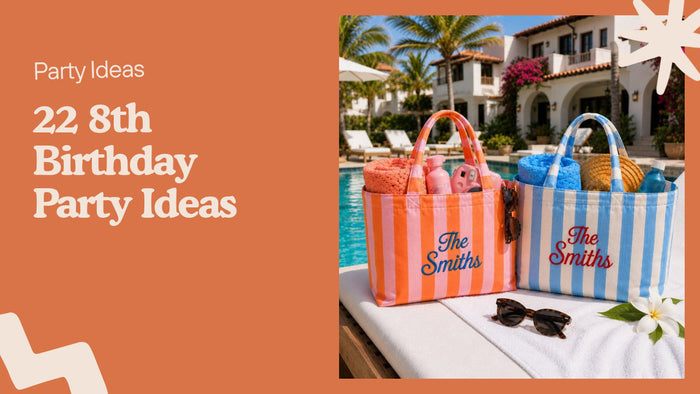
Volunteers spend long hours outdoors at races, festivals and fundraisers. Give them a refillable bottle on the morning of the event and they will carry it all day. Pair it with a sturdy tote for sunscreen, keys and a phone, and the whole kit gets reused at the next shift. Our custom name embroidered striped tote bag is canvas with the name stitched on the front.

Students and campus groups
Clubs, sororities and campus offices hand out cups at welcome weeks and fairs. Students refill water all day between classes, so a bottle with a carry loop beats a mug. Keep the design about the group, not the sponsor, if you want it carried past graduation.
Gym members and wellness programs
Fitness studios and company wellness challenges have an easy fit in a water bottle. Members fill it before class and leave it on the floor next to the mat, logo facing the room. Choose a wide mouth so ice cubes go in, and a lid that survives being dropped.
Skip glass here. One cracked bottle in a spin studio and the gift becomes a complaint.
Cafe, bakery and restaurant regulars
Coffee shops that sell their own logo mug are doing promotion and retail at once. Regulars buy it, take it home, and photograph it next to their breakfast. Here the cup should match what staff wear behind the counter, which we cover further down.
Luxury drinkware for marketing campaigns
This part is for brands running luxury drinkware marketing campaigns, where a small number of high-value recipients matter more than a big headcount. Think VIP clients, top resellers, board members or press.
When a premium piece is worth it
Spend more per cup when the list is short and each person on it holds a large account. Fifty heavy tumblers sent to fifty decision makers is a different plan from 500 cups at a conference. The total spend may even be similar. Premium also makes sense when your brand already sells at the high end, since a cheap cup would contradict your own pricing.
What makes a tumbler feel high end
Weight is the first thing people notice when they lift it. Double-wall stainless steel feels solid in the hand, and a lid that clicks shut without a wobble matters more than most buyers expect.
Decoration comes next. Laser engraving on steel removes the coating and cannot scratch off, so it suits a small, quiet logo. Full-color wraps fit a playful brand better than a law firm.
Packaging finishes the job. Use a plain box with a printed card, or a fabric pouch, so the cup feels chosen for that person. Add their first name and the piece stops looking like stock from a booth table.
Budget per person, not per cup
Quotes usually arrive as a unit price, and that number hides most of the cost. When you compare suppliers, put these lines next to each other:
- the blank cup
- decoration, including any setup or screen charges
- a second imprint location if you want the logo on both sides
- individual boxes or gift packaging
- freight to you, and shipping to each recipient if you mail them out
- the cost of extras you keep for late registrations or breakage
Divide the total by the number of people who will actually receive one. That per-person figure is the number to compare with your other marketing costs. It also stops a common trap. Buyers order a bigger quantity because the unit price drops, then store 200 spare cups in a closet for two years.
Split the budget by group when the list is mixed. Booth visitors might get the cheapest cup on the quote. The twenty clients you most want to keep get an engraved tumbler in a box, and staff sit in between. Writing three per-person numbers down before you shop keeps one group from eating the whole budget.
For a broader look at where cups sit next to pens, hats and bags, see our guide to the best promotional items.
Logo and design rules for cups and tumblers
These rules apply to whoever is preparing the artwork, whether that is an in-house designer or the office manager who got handed the job.
Keep the mark simple. Curved surfaces distort fine lines, and thin script fonts can blur at small sizes. If your logo has a detailed version and a simple icon, use the icon on the cup.
Check contrast at arm's length. Navy on charcoal looks fine on a screen and disappears on a shelf. Print the mockup, tape it to a real cup, and look at it from across the room.
Skip the date and the event hashtag. "Summit 2026" on a cup sends it to the back of the cupboard in January. Put the logo on one side. Any message goes on the other, as a short line that still makes sense next year.
Think about the hand. On a mug, a right-handed drinker sees the side facing away from the handle. On a tumbler, the logo should face out when the lid's drinking slot faces the person.
Pick the size and lid last, once you know the setting. Twelve ounces is plenty for hot coffee at a desk. Iced drinks and long shifts call for 20 ounces or more, plus a straw or slide lid that fits a car cup holder.
When drinkware is the wrong pick
Cups are popular for a reason, but they are not the answer for every list. Skip them in these situations.
Your recipients already own too many. Office teams that have been through several years of conferences often have a shelf of branded mugs. Ask a few people before you order.
You need the brand to be seen in public. Mugs sit in kitchens. Hats, jackets and tote bags get seen on the street, in a store, at a school pickup. If visibility is the goal, wearable items do that job, as we explain in our post on wearable marketing for small business.
The event is a flight away. Attendees traveling with carry-on bags will leave a heavy tumbler behind. Ship it to their office afterward, or pick something that folds flat.
Your timeline is too short to see a sample. Fixing a wrong color or a blurred logo on 400 cups is expensive. If you cannot approve a proof, choose a simpler item.
Pairing drinkware with embroidered pieces
This section is for cafes, bakeries, breweries and event teams who want the cup and the staff look to match. The cup goes home with a customer. The apron or hat stays in front of every customer who walks in.
Our custom logo embroidered apron carries your shop's logo and name in thread. We test each new design on scrap fabric to adjust stitch density before it goes on the garment. Use the same artwork for your mug or cup sleeve and the counter reads as one brand. We use French DMC thread, which does not fade or bleed in the wash.

Why stitch the textile side instead of printing it? Aprons go through the wash every week. Printed logos tend to crack and peel after 20 to 30 washes, while thread sits inside the fabric. That is our view as an embroidery-only shop, and it is the reason we do not offer print.
Every piece is made to order. Production and shipping together take 3 to 7 business days within the US. Order the aprons on the day you approve the cup proof and both arrive before opening day.
New to stitched merch? Our step-by-step guide to ordering custom embroidered merch walks through artwork and thread colors.
Mistakes that waste a drinkware budget
These come up in almost every first order. Check the list before you sign the quote.
- Choosing the cup from a catalog photo without holding one. Lids leak, and catalog photos never show it.
- Printing a tagline that only made sense during the campaign.
- Sending one design to staff, clients and strangers alike.
- Leaving out shipping and packaging, then cutting quantity at the last minute.
- Assuming every recipient wants a hot drink. Iced coffee drinkers need a straw lid.
- Forgetting dishwasher rules. Some decorations fade in a dishwasher, so tell people how to wash it.
- Ordering so late that the proof stage gets skipped.
- Handing out cups with no plan for the leftovers. Extras can go to new hires or next season's events.
How to tell whether the drinkware worked
Cups are hard to track, but you can still learn something from each run. Pick one method per campaign and set it up before the cups ship.
Add a short URL or QR code on the packaging card, not on the cup itself, and count visits. For a cafe, print a "bring this mug back for a refill discount" offer and count how many come back. For client gifts, note who replies or mentions the gift in the next month.
Ask your own staff, too. If people on the team use the cup at their desks months later, the design passed. If the spare box is still full, plan a smaller run next time.
Building a full gift program around the cups? See our corporate gift ideas for clients and employees and the employee gifts and swag guide for the other items in the box. Personal touches such as a stitched name are in our personalized embroidered gifts collection.
Promotional drinkware FAQ
What is a promotional drinkware strategy?
It is a plan for which branded cup goes to which audience and what you spend per person. It also covers logo design and order timing, so people keep using the cup after the event.
What drinkware works best for luxury marketing campaigns?
For luxury drinkware marketing campaigns, pick a heavy double-wall stainless tumbler with a laser-engraved logo and individual packaging. Adding each person's name makes it read as a personal gift.
How far ahead should I order branded drinkware for an event?
Leave enough time to approve a digital proof, check a physical sample for large runs, and absorb a shipping delay. Ask your supplier for production and transit times in writing, then add at least a week of buffer.
Is a mug or a tumbler better for employee gifts?
Ceramic mugs suit people who work at a desk in the office. Insulated tumblers with a sealing lid suit commuters, remote staff who receive kits by mail, and field crews.
What can I pair with branded cups in a gift kit?
A canvas tote carries the kit, and an embroidered hat adds something people wear. Cafe and bakery staff can get a logo apron that matches the cup design. Me Do Embroidery stitches aprons, hats and totes to order with 3 to 7 business day delivery in the US.
Should the logo or the event slogan go on the cup?
Put the logo first, since event slogans and dates go out of date quickly. If you want a message, place a short timeless line on the opposite side.