
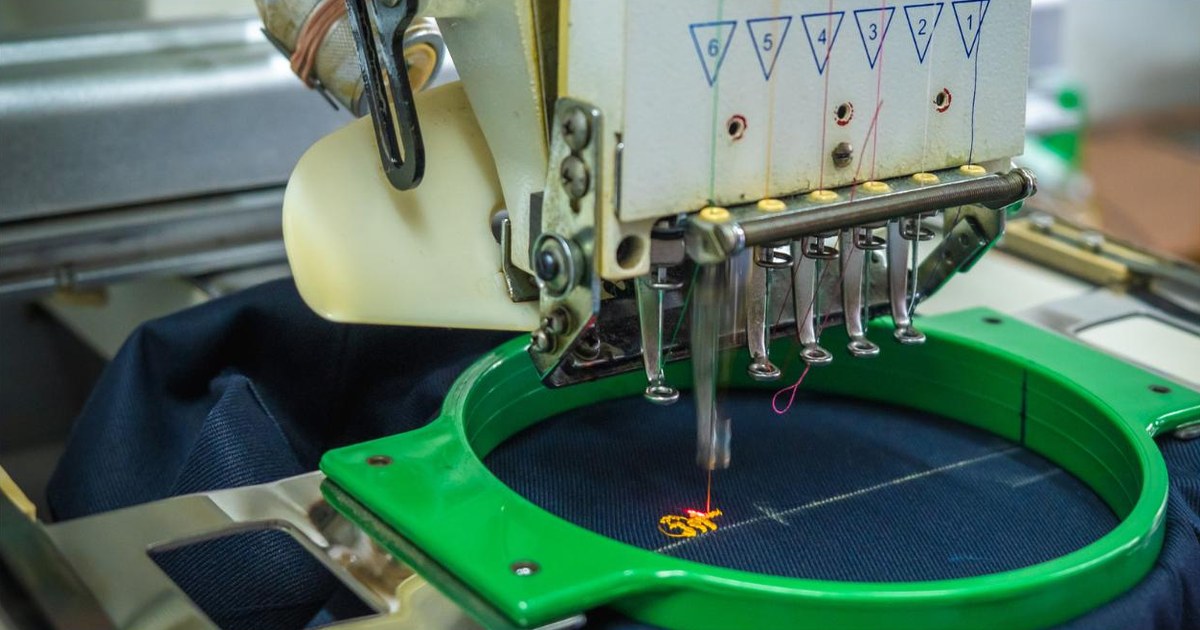
Quick answer: To make patches with an embroidery machine, load a patch design with a satin-stitch border. Hoop twill fabric with a firm stabilizer, or hoop water-soluble stabilizer alone for a freestanding patch. Stitch the design, and let the machine finish the dense satin border. Unhoop, trim the fabric close to the border (or heat-seal the edge with a hot knife), and add a backing: fusible adhesive for iron-on patches, or felt for sew-on patches.
An embroidery machine makes it easy to create professional-looking patches for jackets, hats, bags and uniforms. Once you learn the process, you can make one-off custom patches or small batches for your brand or team. Here are the main methods, the supplies you need and tips for clean edges.
What You Need
- An embroidery machine and hoop
- A patch design file with a satin border, in your machine's format (PES, DST, JEF, etc.)
- Patch fabric: polyester or cotton twill, felt, or canvas
- Stabilizer: heavy tear-away or cut-away, or water-soluble for freestanding patches
- Machine embroidery thread and bobbin thread
- Sharp curved scissors or a hot knife / heat cutter
- Backing: fusible adhesive (iron-on), peel-and-stick adhesive, felt, or hook-and-loop
Method 1: The Twill Patch Method
- Hoop the stabilizer and fabric. Hoop heavy stabilizer with twill fabric on top, keeping it flat and tight.
- Stitch the placement line and design. Let the machine stitch the fill, details and text.
- Stitch the border. The final dense satin border (usually 3–4 mm wide) covers the patch edge.
- Unhoop and trim. Remove excess stabilizer and cut close to the outside of the border without snipping stitches. On polyester twill, a hot knife cuts and seals the edge in one step.
- Add the backing. Fuse heat-activated adhesive to the back for an iron-on patch.
Method 2: The Cut-Out (Tack-Down) Method
- Hoop stabilizer only and stitch a placement outline.
- Lay the patch fabric over the outline and stitch a tack-down line.
- Remove the hoop from the machine (not from the hoop frame) and trim fabric close to the tack-down line.
- Return the hoop and stitch the design and satin border, which covers the trimmed edge perfectly.
Method 3: Freestanding Patches
Hoop two layers of heavy water-soluble stabilizer and stitch a design that is fully filled with stitches, including the border. Cut the patch out, then rinse away the stabilizer. This gives a patch made entirely of thread, with no fabric base.
How Do You Make a Machine Embroidered Patch Iron-On?
Cut a piece of fusible adhesive (such as HeatnBond Ultrahold or patch adhesive film) larger than the patch. Press it onto the back with a hot, dry iron, let it cool, trim to shape, and peel off the paper backing. For items that are washed often, iron the patch on and then stitch around the edge. For step-by-step application, see our guide on how to iron on a patch.
Tips for Professional Patches
- Use a border at least 3 mm wide so it fully covers the fabric edge.
- Choose polyester twill so you can heat-seal the edges.
- Keep text at least ¼ inch (6 mm) tall for readability.
- Stitch a test patch before running a batch.
- Hoop multiple patches in one large hoop to save time.
Frequently Asked Questions
What fabric is best for machine embroidered patches?
Polyester twill is the standard choice. It's firm, smooth, and its edges can be heat-sealed. Felt and canvas also work well.
What stabilizer do you use for patches?
Heavy tear-away or cut-away for twill patches, and water-soluble stabilizer for freestanding patches.
How wide should a patch border be?
About 3–4 mm (⅛ inch) for most patches. Larger patches can use a wider border.
Can I make patches without digitizing software?
Yes. You can buy ready-made patch designs, or use your machine's built-in shapes and fonts with a satin border.
Make Your Own Custom Patches
With the right fabric, stabilizer and a solid satin border, your machine can produce patches that look store-bought. Prefer to make them by hand? Read how to make embroidery patches by hand or machine.
Want finished embroidered pieces? Shop our embroidered baseball hats and embroidered hats and caps.


